All Categories
Featured
Table of Contents
- – Instant Air Solutions
- – What Is the $5,000 Rule and 50% Rule for Furna...
- – How to Calculate Repair vs Replace Cost Using...
- – Real Example – $400 Repair on 15-Year-Old Fu...
- – Why This Rule Works in Mild Southern Califor...
- – Applying the 50% Rule – When Repairs Aren't W...
- – Common Repair Costs That Trigger Replacement
- – How Old Is Your Furnace? Lifespan and When Age...
- – Furnace Lifespan in Los Angeles, San Fernando...
- – Factors Shortening Life in Local Homes
- – Signs Age Is Causing Problems (Rising Bills, ...
- – Efficiency Drop in Older Units (AFUE Below 80%)
- – What Are the Top Signs Your Furnace Needs Repl...
- – Safety Red Flags – Carbon Monoxide Risks and ...
- – Why Immediate Replacement Is Critical
- – Performance Issues – Uneven Heating, Noises, ...
- – Energy Bill Spikes Explained
- – Frequent Repairs Signal Bigger Trouble
- – Furnace Repair Costs vs Replacement Costs in S...
- – Detailed Repair Cost Breakdown
- – Minor vs Major Repairs
- – Full Replacement Costs – What Drives the Price
- – Size, Efficiency (95%+ AFUE), and Local Labo...
- – Comparison Table: Instant Air Solutions vs Ty...
- – Is a Heat Pump a Better Alternative to Furnace...
- – Benefits of Heat Pumps in Los Angeles and Pas...
- – Efficiency Gains and Dual Functionality
- – When to Choose Heat Pump Over Traditional Fur...
- – California Rebates and Incentives for Furnace ...
- – Available Incentives for High-Efficiency Upgr...
- – ENERGY STAR and CEC Guidelines
- – How to Maximize Savings Locally
- – Real Homeowner Stories – Furnace Replacement C...
- – Frequently Asked Questions About Furnace Repai...
- – We Can Help! Contact Us Today
- – Instant Air Solutions
Furnace repair vs replacement stands as one of the most important choices SoCal property owners face when their furnace starts malfunctioning. In areas like Los Angeles, the San Fernando Valley, Pasadena, and Orange County, where winters are mild but still demand reliable heat, a malfunctioning furnace can swiftly create a source of anxiety, inconvenience, and surprise costs.
Homeowners often look up for terms like "should I repair or replace my furnace," "when to replace furnace instead of repair in California," or "furnace replacement cost Los Angeles," seeking reliable guidance to navigate this overwhelming process. This detailed resource delivers expert-level insights into every aspect of the decision, from established decision guidelines and red flags to detailed cost breakdowns, safety considerations, efficiency upgrades, and nearby alternatives including heat pumps.
By covering these areas comprehensively, you'll obtain the insight needed to select the path that best preserves your household comfort, your family's safety, and your ongoing budget. Experienced professionals assist with tailored evaluations designed for Southern California homes.
The determination of furnace repair and furnace replacement impacts more than immediate warmth but also energy efficiency, indoor air quality, and house resale value. In our region, where heating systems often endure less intense seasonal use than in colder states, furnaces tend to have extended life, but efficiency degradation with age and component wear still present major issues.
Industry standards from trusted authorities like the U.S. Department of Energy show that upgrading to high-efficiency models can lower heating bills by 20 to 40 percent over time. This guide is based on hands-on heating and cooling experience, regional climate factors, and real customer journeys to help you make an informed choice that matches both feelings of safety and peace and practical objectives for cost reduction.
What Is the $5,000 Rule and 50% Rule for Furnace Repair vs Replacement?
Professional HVAC technicians consistently use the $5,000 rule and 50% rule as foundational tools when advising homeowners on furnace repair vs replacement. The $5,000 rule employs an easy formula: take the furnace age and multiply it by the repair quote. If the resulting number exceeds $5,000, replacement is typically the smarter financial move.
This calculation accounts for that older systems tend to experience more regular and progressively costly breakdowns, causing ongoing repairs a financially dangerous choice.
The 50% rule uses a related but equally valuable method by weighing the repair cost against 50% of a brand-new efficient model. Should repairs go beyond 50% of replacement cost—particularly for units that have already surpassed the 15-year mark—experts typically recommend upgrading rather than patching.
These benchmarks, created from decades of practical experience, eliminate emotional decision-making and focus on objective economics.
In Southern California's temperate weather conditions, where heating systems operate with reduced intensity than in northern states, these rules remain highly relevant. While the extended runtime reduction may allow some units to survive beyond two decades, efficiency degradation and component fatigue still progress, ensuring the rules remain practical for SoCal homeowners.
Homeowners researching "furnace repair or replacement cost" soon find that these guidelines deliver simple clarity through what can feel like complicated decisions.
How to Calculate Repair vs Replace Cost Using the $5,000 Rule
First finding out your unit's precise age—look at the data plate on the unit, service history documents, or previous technician notes. Then, secure a detailed repair quote from a certified professional, confirming it accounts for all needed parts and work. Do the math and check the result versus the $5,000 limit. Should the number surpass $5,000, replacement usually prevents future headaches and expenses.
This straightforward method remains valid for all furnace types and sizes.
Real Example – $400 Repair on 15-Year-Old Furnace
Think of a common scenario where a homeowner in the San Fernando Valley receives a $400 quote for a malfunctioning igniter on a 15-year-old furnace. The math yields $400 multiplied by 15, equaling $6,000—significantly exceeding the cutoff. These situations show how even smaller repairs on mid-life or older equipment often indicate the onset of more frequent and expensive failures.
Why This Rule Works in Mild Southern California Climates
Our temperate weather reduces thermal cycling stress, helping most furnaces survive longer than in extreme cold. Still, factors like dust infiltration, salt air near the coast, and occasional intense heat waves still cause steady component deterioration. These guidelines consider these local conditions and helps homeowners avoid putting money into temporary patches for systems approaching end-of-life.
Applying the 50% Rule – When Repairs Aren't Worth It
Present-day costs for properly installed high-efficiency units in our area generally fall between $6,000 and $9,000, based on size and options. Half of that range establishes the critical threshold of $3,000 to $4,500. Should repair costs reach or go beyond this mark, particularly for units beyond 15 years old, the financials clearly support upgrading rather than further fixes.
Common Repair Costs That Trigger Replacement
Blower motor services usually run between $800 and $2,000, while fixing a damaged heat exchanger can range from $1,000 to $3,500 or more. frequent major repairs often surpass the 50% limit and involve extra safety concerns, making complete replacement the wiser decision.
Both rules act as strong decision tools that eliminate uncertainty. If your calculations suggest replacement may be the better path, consulting with qualified local HVAC professionals can confirm the recommendation and provide next steps.
How Old Is Your Furnace? Lifespan and When Age Forces Replacement
Furnace lifespan in Southern California usually falls between 15 to 22 years, thanks to our relatively mild winters and lighter seasonal demands compared to colder parts of the country. Natural gas furnaces remain the predominant choice in our region, but no matter the energy type, efficiency and reliability.
A question many residents have is "how old is too old for furnace repair?" Professional standards suggests initiating thorough review at about 15 years, with replacement strongly advised at 18 years or older when paired with any significant operational problems.
Older furnaces suffer from reduced AFUE efficiency ratings , meaning less of the fuel turns into actual heat and demand longer cycles to achieve desired comfort levels.
Furnace Lifespan in Los Angeles, San Fernando Valley, and Orange County
Local temperate conditions reduce extreme thermal cycling stress, which helps extend service life compared to locations with severe seasonal changes. Many well-maintained units in Los Angeles, the San Fernando Valley, and Orange County routinely reach or exceed 18 years, though environmental factors can affect lifespan.
Factors Shortening Life in Local Homes
Inland dust and pollen buildup can restrict airflow and overwork motors and heat exchangers. Salt air near the coast causes corrosion , while infrequent use causes parts to bind. Neglected or inconsistent care hastens these problems.
Signs Age Is Causing Problems (Rising Bills, Frequent Breakdowns)
Heating costs increasing 20–30% without any change in consumption commonly show efficiency loss. More frequent service visits, particularly several major repairs in one year provides further evidence that age-related deterioration has begun to affect performance.
Efficiency Drop in Older Units (AFUE Below 80%)
Modern high-efficiency furnaces achieve ratings of 95 percent or higher, meaning significantly more of the fuel consumed becomes usable heat - Furnace Replacement San Gabriel. Moving from an outdated inefficient system to a current high-efficiency model can produce substantial long-term savings on heating costs while boosting general home comfort levels
While age alone does not automatically mandate replacement, it provides a critical context when evaluated alongside performance data, service history, and safety factors. Qualified review allows property owners to decide using information rather than worry.
What Are the Top Signs Your Furnace Needs Replacement Not Just Repair?
Knowing how to identify major "signs your furnace needs replacement" helps avoid crisis scenarios, protect indoor air quality, and stop spiraling repair spending. Warning indicators generally fall into three categories: safety concerns, functionality concerns, and increasing expenses.
The most critical warning concerns possible carbon monoxide leaks from cracked heat exchangers. Additional signals point to reduced capacity for even, comfortable heating.
Safety Red Flags – Carbon Monoxide Risks and Cracked Heat Exchanger
Yellow flames rather than consistent blue , significant soot buildup around vents/registers, persistent headaches or flu-like feelings when heat is on, or carbon monoxide detector triggers all suggest serious risk. A damaged heat exchanger permits combustion gases to leak into the home and cannot be fixed safely.
Why Immediate Replacement Is Critical
Carbon monoxide is invisible, odorless, and deadly. Suspected leaks require immediate shut-down and professional assessment. Operating a faulty system threatens family safety.
Performance Issues – Uneven Heating, Noises, Smells
Unusual banging, rattling, or grinding during cycles suggest mechanical problems in the burner, fan, or heat exchanger. Persistent burning odors, excessive dust circulation, or rooms that stay noticeably colder than others indicate airflow or distribution problems that become progressively more expensive to repair.
Energy Bill Spikes Explained
Sharp or progressive increases in utility costs without any change in consumption nearly always show efficiency loss. The furnace compensates for lower performance by running longer and harder, burning more fuel for identical temperatures.
Frequent Repairs Signal Bigger Trouble
When a furnace requires multiple significant repairs within a 12-month period, this pattern strongly suggests underlying systemic wear that will continue to produce new failures. Ongoing repair investments grow less efficient than replacing with a new warranted unit.
Paying attention to these warning signs helps property owners make timely decisions. Qualified diagnostics swiftly reveal the better choice between repair and replacement.
Furnace Repair Costs vs Replacement Costs in Southern California
Furnace repair costs generally fall between $200 to $1,500 for typical component repairs, while large-scale repairs on key parts can reach $1,000 to $3,500 or higher. On the other hand, furnace replacement costs across Southern California generally fall between $4,500 and $10,000 for a complete professional installation, varying by unit size, efficiency level, manufacturer, and installation needs.
Knowing these price ranges enables residents to plan realistically and prepare financially.
Detailed Repair Cost Breakdown
Typical repairs encompass igniters costing $300–$500, thermostat replacements $200–$600, and blower motor repairs $800–$2,000 based on access difficulty and unit type.
Minor vs Major Repairs
Routine repairs on newer equipment frequently deliver worthwhile temporary relief and extend service life cost-effectively. Significant part replacements on mature units seldom make financial sense when ongoing reliability and efficiency are considered.
Full Replacement Costs – What Drives the Price
Entry-level furnaces begin at $2,000–$3,500, while premium high-efficiency models range from $4,000 to $6,000 or more. Labor for installation, disposal of old unit, any ductwork changes, permits, and code requirements usually contribute $2,000–$4,000 to the overall project.
Size, Efficiency (95%+ AFUE), and Local Labor Factors
Accurate sizing depends on calculating heat load considering home size, insulation, windows, and local weather patterns. Better efficiency levels increase upfront costs but deliver measurable monthly savings by decreasing energy consumption.
Comparison Table: Instant Air Solutions vs Typical Competitor
| Factor | Instant Air Solutions | Typical Competitor |
|---|---|---|
| Response Time | Within 2–4 hours (24/7 emergency) | Next day or longer |
| Cost Transparency | Upfront detailed quotes | Frequent add-on surprises |
| Guarantee | Satisfaction Guarantee + extended parts/labor | Limited or parts-only |
| Technician Certification | NATE-certified specialists | Varies widely |
| Customer Satisfaction | Consistent 5-star feedback | Mixed reviews |
Replacement investments usually recoup through reduced energy costs, fewer service calls, and enhanced household comfort. Obtaining multiple detailed quotes guarantees the greatest value for your specific situation.
Is a Heat Pump a Better Alternative to Furnace Replacement in Mild SoCal?
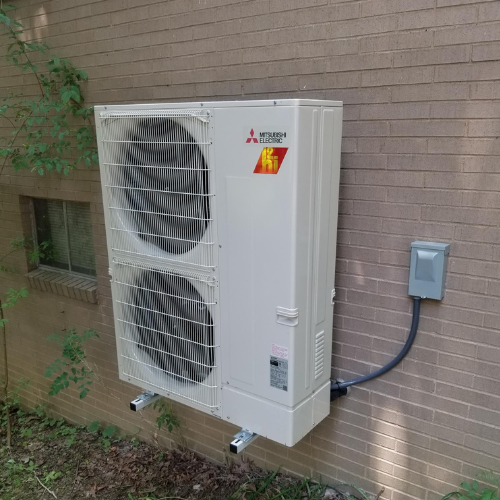
The temperate SoCal weather makes heat pump vs furnace comparisons strongly favor heat pumps. Heat pumps relocate heat rather than produce it through combustion, providing both heating and cooling capabilities in a single efficient system.
Many local homeowners discover that heat pumps offer outstanding all-season comfort while substantially decreasing energy costs compared to traditional gas furnaces. Heat pumps shine in temperate climates, making it an increasingly popular choice for Southern California properties.
Benefits of Heat Pumps in Los Angeles and Pasadena
New-generation heat pumps attain superior efficiency, often using up to 75 percent less electricity than traditional resistance heating while maintaining even temperatures in every room.
Efficiency Gains and Dual Functionality
Models with excellent SEER and HSPF ratings provide powerful cooling during summer and reliable heating during our cooler months, eliminating the need for separate systems and lowering total energy expenses.
When to Choose Heat Pump Over Traditional Furnace
Properties with current duct systems, those seeking year-round climate control, or residents aiming to decrease environmental impact see heat pumps as particularly suitable.
Heat pumps match excellently with California's efforts to promote electrification and sustainability objectives.
California Rebates and Incentives for Furnace Replacement
California maintains several programs to promote efficient HVAC improvements, including utility-based incentives, ENERGY STAR certification incentives, and state programs targeting energy savings.
While some federal programs may have limited availability, utility-specific rebates remain active for approved high-efficiency products.
Available Incentives for High-Efficiency Upgrades
Many Southern California utility providers offer cash rebates for installing qualifying high-efficiency furnaces or heat pumps.
ENERGY STAR and CEC Guidelines
(Furnace Replacement San Gabriel)Systems bearing the ENERGY STAR mark or satisfying California Energy Commission criteria generally receive the largest available rebates from local utility providers. (Furnace Replacement San Gabriel)
How to Maximize Savings Locally
Combining rebates with manufacturer promotions and approved financing options allows homeowners to achieve the lowest possible out-of-pocket expense while locking in future energy cost reductions.
Investigating current programs prior to purchase can significantly improve project economics. Furnace Replacement San Gabriel.
Real Homeowner Stories – Furnace Replacement Case Studies in Southern California
True homeowner accounts give practical context on the outcomes of furnace repair vs replacement decisions. A homeowner in the San Fernando Valley with an aging 19-year furnace had suffered escalating breakdowns and steadily rising heating bills. After thorough evaluation and system replacement with a high-efficiency model, they shared: "Our home now provides uniform heating in every room, and our monthly utilities fell considerably. The whole installation went smoothly and professionally from start to finish."
A Pasadena resident faced serious safety concerns when technicians identified a cracked heat exchanger in a scheduled check. Following replacement with a modern system, they noted: "The comfort of knowing the CO risk is gone is priceless. The replacement system operates quietly and provides steady comfort without constant tweaking."
A third customer in Orange County selected a heat pump upgrade over their aging gas furnace. They mentioned: "We were impressed with how effectively the heat pump manages our mild winters while simultaneously delivering outstanding summer cooling. Our energy bills are lower than ever, and the home feels more consistent in temperature year-round."
These authentic stories show both emotional peace and practical financial advantages that result from thoughtful replacement choices.
Frequently Asked Questions About Furnace Repair vs Replacement
Should I repair or replace my furnace?
Repair works best for units under 12 years with small isolated problems. Replacement is usually better for older units or when significant parts are failing. Follow the $5,000 and 50% guidelines for objective guidance. In Southern California, efficiency benefits from upgrading often justify replacement sooner. Learn more about ongoing care with our HVAC maintenance plans. (118 words)
What is the $5,000 rule for furnace replacement?
Simply multiply furnace age by repair cost. When the result goes over $5,000, replacement is typically recommended due to anticipated future repair risks. For instance, a 16-year furnace with a $400 fix totals $6,400, indicating replacement. See our HVAC installation services for more. (104 words)
Furnace replacement cost Los Angeles?
Anticipate full replacement costs from $4,500 to $10,000, based on unit size, AFUE rating, and local factors. Larger properties or top-tier models raise overall pricing. Check our residential solutions at residential HVAC services. (96 words)
Signs your furnace needs replacement?
Watch for systems older than 15 years, frequent repairs, inconsistent heating, unusual noises, burning odors, or carbon monoxide risks. Multiple signs together clearly indicate replacement. Get details on repair diagnostics at contact us. (108 words)
When to replace furnace instead of repair in California?
Think about replacement when safety concerns arise, efficiency drops significantly, or evaluation rules indicate poor long-term value. Our milder climate usually supports earlier upgrades for long-term energy efficiency. Visit our homepage at home page for more. (102 words)
Furnace lifespan Southern California?
Plan for 15–22 years with regular care, because of lower seasonal operation. Proper care significantly prolongs lifespan. Learn more through our maintenance plans at maintenance plans. (94 words)
Heat pump vs furnace Southern California?
Heat pumps offer efficient dual heating and cooling in mild conditions, frequently superior to standard gas furnaces in flexibility and operating costs. Learn about heat pump installation at heat pump installation. (98 words)
Furnace repair or replacement cost?
Repair costs generally fall from $200 to $3,500; replacement ranges $4,500–$10,000. Replacement often proves more cost-effective over time. See contact details at contact page for a consultation. (92 words)
Best time to replace furnace in Southern California?
Spring/summer provide optimal scheduling and pricing. Avoid winter emergencies. Schedule through our online form at online scheduling. (88 words)
Carbon monoxide furnace safety?
Damaged heat exchangers may release dangerous CO. Yearly checks are critical; replace compromised units immediately. Find safety information on our about page about us. (94 words)
We Can Help! Contact Us Today
The stress of undependable warmth during chilly nights, frustration from escalating utility bills, and concern about possible safety risks are very common emotions for homeowners. Yet choosing wisely—whether specific repair work or comprehensive replacement—delivers genuine relief through consistent performance, substantial cost decreases, and renewed confidence in your home's heating system.
Modern high-efficiency equipment lowers energy requirements by 20 to 40 percent, removes repeated service needs, and keeps consistent temperatures house-wide, delivering solid logical benefits alongside profound emotional relief.
Instant Air Solutions has helped countless homeowners throughout Los Angeles County—such as Long Beach, Santa Clarita, Glendale, Torrance, Burbank, and surrounding communities—obtain dependable, energy-efficient heating designed for our regional climate. Our certified technicians deliver straightforward recommendations, professional installations, and results backed by a satisfaction guarantee.
412 W Dryden St APT 6, Glendale, CA 91202
(747) 307-6363
Schedule your complimentary consultation today. Reliable, efficient heating and true peace of mind are closer than you think—make the first move toward a cozier, more reliable home.
Instant Air Solutions
Address: 412 W Dryden St Apt 6 Glendale, CA 91202Phone: (747) 307-6363
Email: [email protected]
Instant Air Solutions
Air Conditioning Installation San Gabriel, CA
Furnace Repair Service San Gabriel, CA
Central Air Installation San Gabriel, CA
Central Air Installation San Gabriel, CA
Ductless Mini-Split Repair San Gabriel, CA
Heater Repair San Gabriel, CA
Heat Pump Repair San Gabriel, CA
Furnace Maintenance Service San Gabriel, CA
Furnace Repair Service San Gabriel, CA
Air Conditioning Installation Near Me San Gabriel, CA
Commercial Hvac Solutions San Gabriel, CA
Heat Pump Repair San Gabriel, CA
Air Conditioning Installation San Gabriel, CA
Best Hvac Company San Gabriel, CA
Central Air Installation San Gabriel, CA
Heater Repair San Gabriel, CA
A C Service San Gabriel, CA
Ductless Heating And Cooling San Gabriel, CA
Central Air Installation San Gabriel, CA
Ductless Heating And Cooling San Gabriel, CA
Hvac Companies San Gabriel, CA
Best Hvac Company San Gabriel, CA
Air Conditioning Replacement San Gabriel, CA
Mini Split Ac Installation San Gabriel, CA
Hvac Companies San Gabriel, CA
Air Condition Repair San Gabriel, CA
Ac Repairs San Gabriel, CA
Commercial Exhaust System Installation San Gabriel, CA
Ductless Heating And Cooling San Gabriel, CA
Heater Repair San Gabriel, CA
Air Conditioning Installation San Gabriel, CA
Commercial Exhaust System Installation San Gabriel, CA
Central Air Conditioning Systems San Gabriel, CA
Find A Seo Company Near Me San Gabriel, CA
In My Area Seo Plans San Gabriel, CA
Instant Air Solutions
Air Conditioning Replacement San Gabriel, CA
Heater Repair San Gabriel, CA

Table of Contents
- – Instant Air Solutions
- – What Is the $5,000 Rule and 50% Rule for Furna...
- – How to Calculate Repair vs Replace Cost Using...
- – Real Example – $400 Repair on 15-Year-Old Fu...
- – Why This Rule Works in Mild Southern Califor...
- – Applying the 50% Rule – When Repairs Aren't W...
- – Common Repair Costs That Trigger Replacement
- – How Old Is Your Furnace? Lifespan and When Age...
- – Furnace Lifespan in Los Angeles, San Fernando...
- – Factors Shortening Life in Local Homes
- – Signs Age Is Causing Problems (Rising Bills, ...
- – Efficiency Drop in Older Units (AFUE Below 80%)
- – What Are the Top Signs Your Furnace Needs Repl...
- – Safety Red Flags – Carbon Monoxide Risks and ...
- – Why Immediate Replacement Is Critical
- – Performance Issues – Uneven Heating, Noises, ...
- – Energy Bill Spikes Explained
- – Frequent Repairs Signal Bigger Trouble
- – Furnace Repair Costs vs Replacement Costs in S...
- – Detailed Repair Cost Breakdown
- – Minor vs Major Repairs
- – Full Replacement Costs – What Drives the Price
- – Size, Efficiency (95%+ AFUE), and Local Labo...
- – Comparison Table: Instant Air Solutions vs Ty...
- – Is a Heat Pump a Better Alternative to Furnace...
- – Benefits of Heat Pumps in Los Angeles and Pas...
- – Efficiency Gains and Dual Functionality
- – When to Choose Heat Pump Over Traditional Fur...
- – California Rebates and Incentives for Furnace ...
- – Available Incentives for High-Efficiency Upgr...
- – ENERGY STAR and CEC Guidelines
- – How to Maximize Savings Locally
- – Real Homeowner Stories – Furnace Replacement C...
- – Frequently Asked Questions About Furnace Repai...
- – We Can Help! Contact Us Today
- – Instant Air Solutions
Latest Posts
Local Seo Service Orange
Local Seo Marketing Agency Fontana
Web Design Firm Brea
More
Latest Posts
Local Seo Service Orange
Local Seo Marketing Agency Fontana
Web Design Firm Brea