All Categories
Featured
Table of Contents
- – Harmony SoCal Insurance Services
- – What Is Payroll Integration for Employee Benef...
- – How Payroll Integration Differs from Manual P...
- – Key Data Flows in Integration
- – Common Systems Involved
- – Why It Matters for Modern Businesses
- – Why Integrate Payroll with Employee Benefits T...
- – Time and Cost Savings Explained
- – Quantified Hours Saved Annually
- – Building Employee Trust Through Accuracy
- – How Does Payroll Integration Work Step by Step?
- – Setup and Onboarding Basics
- – Compatibility with Popular Payroll Platforms
- – Handling Changes and Updates
- – Key Benefits of Payroll Integration Employee B...
- – Administrative Efficiency Gains
- – Reduced Manual Entry Risks
- – Streamlined Open Enrollment
- – Enhanced Compliance and Security
- – ACA/COBRA Alignment
- – Payroll Integration vs Manual Benefits Adminis...
- – Accuracy and Error Metrics
- – Real-World Reduction Percentages
- – Scalability for Growing Teams
- – Employee Experience Impact
- – Common Challenges and Solutions in Payroll Int...
- – Compatibility and Implementation Hurdles
- – Best Practices for Smooth Onboarding
- – Compliance Risks in Changing Regulations
- – Monitoring and Update Application
- – Trends and Best Practices for Payroll Integration
- – Emerging Automation Features
- – Dynamic Deductions Management
- – Focus on Employee Financial Wellness
- – Payroll Integration for Retirement and Volunta...
- – Automating Contributions and Eligibility
- – Timely Deposits and Compliance
- – Voluntary Benefits Deduction Sync
- – Ready to Streamline Your Payroll Integration E...
- – We Can Help! Contact Us Today
- – Frequently Asked Questions About Payroll Integ...
- – Harmony SoCal Insurance Services
Harmony SoCal Insurance Services
2135 N Pami Circle Orange, CA 92867(714) 922-0043
Harmony SoCal Insurance Services
Payroll integration employee benefits links payroll processing seamlessly with benefits management tools, automating the management of benefit deductions, retirement contributions, and coverage eligibility for comprehensive group health plans, dental, vision, retirement accounts, and supplemental voluntary coverage. This direct synchronization eliminates manual data transfers, duplicate entries, and reconciliation efforts that commonly lead to mistakes and administrative hold-ups. Employers obtain immediate insight into benefit expenses and enrollment levels, while employees experience reliable paycheck accuracy and smooth benefit delivery that reinforces confidence in their coverage package.
A large number of business leaders deal with recurring issues when payroll and benefits operate in silos. Updates from new enrollments, salary adjustments, or qualifying events require multiple manual steps in isolated platforms, creating operational choke points, raising inaccuracy chances, and stealing attention. How does payroll integration work to resolve these persistent issues? Through protected two-way information flow, the system instantly updates payroll based on benefit elections and changes without additional manual data handling. This results in higher precision, substantial workload reduction, and improved alignment between company-provided benefits and worker needs. The method fully supports comprehensive group employee benefits packages including supplemental health plans, wellness incentives, and retirement coordination, meeting the increasing demand for streamlined, mistake-proof management that boosts enrollment and employee contentment.
What Is Payroll Integration for Employee Benefits?
Payroll integration employee benefits establishes a direct, automated link between payroll software and benefits management systems, enabling instantaneous data alignment of employee information for correct deduction handling, contribution delivery, and real-time eligibility checks. Rather than relying on manual file transfers, separate spreadsheets, or repeated data entry, information such as compensation, worked hours, job status, and plan selections flows continuously through integrated tools. This cohesive operation replaces scattered administrative steps and covers critical components including premiums for group health insurance, automated deposits into retirement accounts, and deductions for voluntary benefits.
The fundamental benefit emerges from creating a single reliable record source for employee data. When an employee adds a new benefit, modifies existing coverage, or has a qualifying event occur, the change propagates instantly across systems, removing chances of record discrepancies that lead to wrong pay statements, postponed benefit activation, or regulatory breaches. What is payroll integration employee benefits in everyday business operations? It transforms human resources responsibilities by allowing teams to enter data a single time with guaranteed precise propagation across payroll processing and benefits management. This supports the full spectrum from standard health premiums to complex retirement coordination, including matching retirement contributions and optional supplemental coverage.
Companies gain improved insight into benefit utilization patterns and associated costs, facilitating better-informed decisions about coverage offerings and carrier relationships. Wide-ranging support across major payroll systems reduces adoption challenges, while robust protection standards safeguard sensitive information during every data exchange. The overall transformation moves administration from reactive mistake fixing to forward-looking optimization, delivering measurable improvements in operational flow and employee experience. For more insights into business protection strategies, explore our business owners insurance overview.
How Payroll Integration Differs from Manual Processes
Manual processes rely on isolated tools, repeated data entry, and periodic file uploads, producing abundant possibilities for record inconsistencies, typing errors, and processing delays. Payroll integration employee benefits fundamentally changes this dynamic by enabling automatic data alignment, verification, and modifications, achieving steady accuracy and major reduction in administrative interventions. The move from disconnected to unified systems eliminates redundant verification steps and minimizes the human error factor that commonly affects disconnected systems.
Key Data Flows in Integration
Data moves bidirectionally in real time: payroll sends compensation and employment status data while benefits platforms provide up-to-date deduction amounts and coverage eligibility. This constant two-way communication ensures deductions and contributions remain synchronized with the latest enrollment information. The automated flow enables accurate processing of intricate situations including in-year updates and qualifying events.
Common Systems Involved

Common setups link established payroll providers to benefits administration solutions that manage full-spectrum group health, dental, vision, and retirement coverage. Payroll integration employee benefits supports diverse system arrangements, providing flexibility for organizations with existing technology stacks. Compatibility across providers simplifies deployment irrespective of organization scale or sector.
Why It Matters for Modern Businesses
Today's organizations encounter growing intricacy in benefits offerings and regulatory requirements. Payroll integration employee benefits delivers the necessary infrastructure needed to manage this complexity without proportional increases in administrative resources. The functionality provides growth capacity, precision, and transparency necessary for preserving appealing employee benefits while managing administrative expenses.
This groundwork delivers prompt operational gains. Contact us for a complimentary consultation to evaluate potential integration benefits specific to your organization.
Why Integrate Payroll with Employee Benefits Today?
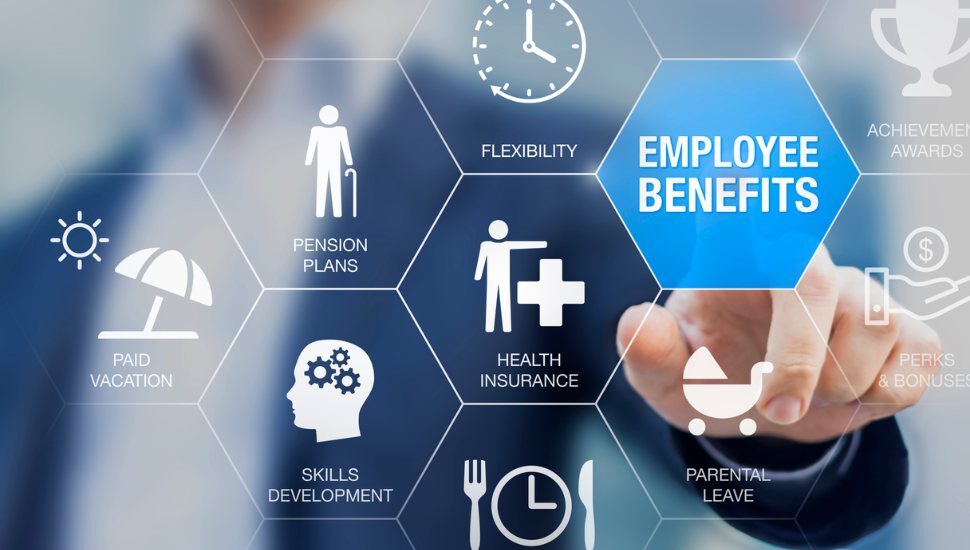
Isolated payroll and benefits platforms create ongoing workflow friction that grows progressively. Manual reconciliation, repeated data entry, and separate processing workflows demand substantial administrative investment while introducing avoidable errors and compliance vulnerabilities. Why integrate payroll with employee benefits emerges as a critical business decision when examining the cumulative effects on productivity, financial accuracy, and employee relations. Integrated systems eliminate recurring manual duties, allowing teams to redirect energy toward strategic initiatives rather than constant verification and correction cycles.
Time savings emerge as one of the clearest gains. Businesses consistently save 50 to 100 hours yearly by eliminating manual processing of deduction changes, contribution computations, and eligibility confirmations, according to payroll efficiency research from leading payroll organizations. This recovered time allows redirection to income-producing tasks or better employee assistance programs without requiring additional personnel. Error frequency drops substantially, often by 70 to 90 percent, through consistent automated validation that avoids input errors, timing issues, and overlooked modifications. Compliance posture strengthens considerably. Regulatory requirements for reporting, deposit timelines, and eligibility tracking experience constant tracking and automatic update application, significantly decreasing fine exposure that often grow fast when hand-operated methods lag evolving rules.
Worker confidence increases markedly as well. Consistent paycheck accuracy and dependable benefit delivery build stronger confidence in organizational handling. Higher trust levels correlate with increased participation in voluntary benefits offerings and enhanced employee satisfaction ratings. Expandability proves a critical strength for organizations experiencing growth or seasonal fluctuations. Integrated systems accommodate expanded headcount, additional benefit options, or changing participation patterns without proportional admin growth, keeping operations smooth during growth phases. These interconnected benefits offer immediate emotional freedom from constant administrative burden and sustained logical advantages such as expense control, risk mitigation, and operational durability. For additional business protection considerations, review our business financing solutions. Contact us to examine how integration aligns with your specific operational requirements.
Time and Cost Savings Explained
Time reclamation leads directly to quantifiable cost decreases by lowering staff hours allocated to standard validation and correction work. Payroll integration employee benefits cuts out repeated data management activities, enabling more efficient resource allocation across departments. Expense advantages grow consistently as admin costs level off or decrease while business capacity grows.
Quantified Hours Saved Annually
Annual time savings frequently range from 50 to 100 hours through avoidance of manual deduction changes, reconciliation work, and error fixing. This productivity gain enables reassignment of staff to more valuable tasks. The savings become increasingly significant as company scale or plan intricacy expands.
Building Employee Trust Through Accuracy
Reliable precision in compensation administration and benefit handling directly strengthens employee confidence in employer administration. Payroll integration employee benefits guarantees deductions match selections exactly and deposits occur consistently on schedule. This reliability translates into higher engagement levels and enhanced view of organizational commitment to financial security.
Benefits build quickly across multiple dimensions. Reach out for tailored analysis of potential improvements in your environment.
How Does Payroll Integration Work Step by Step?

The setup procedure starts through establishing secure interfaces between current payroll systems and benefits management tools. Initial synchronization transfers core employee census information including pay information, job standing, start dates, and active benefit selections to create aligned foundational records. Later modifications to coverage, pay changes, or life-event triggers automatically propagate through the connected systems without needing repeated manual input across systems.
Implementation includes thorough field alignment, setup of data conversion logic, and extensive validation stages to verify precision throughout different cases. After verification completes successfully, production operation activates with minimal operational disruption. In standard processing periods, payroll pulls latest benefit rates and eligibility information, performs precise calculations, and securely transmits deduction and contribution information for final handling. Bidirectional flow ensures data consistency by confirming successful processing on both sides and flagging any anomalies for immediate attention.
Compatibility across popular payroll providers substantially reduces setup complexity, while built-in monitoring capabilities detect and address inconsistencies proactively. The entire workflow evolves into a dependable, low-maintenance process that steadily produces precise outcomes. For related operational insights, see our process overview. Contact us for specific guidance regarding your current technology environment and integration possibilities.
Setup and Onboarding Basics
Setup concentrates on establishing secure connections and validating initial data alignment. Payroll integration employee benefits implementation includes organized validation procedures to confirm operational accuracy before full deployment. This detailed readiness period lowers exposure during implementation to automated workflows.
Compatibility with Popular Payroll Platforms
Compatibility spans major payroll providers commonly used across industries. Payroll integration employee benefits works with multiple platform combinations, minimizing adoption challenges for businesses using existing infrastructure. Broad support enables effective implementation regardless of existing technology choices.
Handling Changes and Updates
situational adjustments such as new enrollments, plan changes, or status modifications update instantly when they happen. Payroll integration employee benefits keeps data correct across variable situations. This functionality becomes critical for companies experiencing regular staff transitions or plan modifications.
The implementation process yields reliable, repeatable performance. Contact us for expert assistance in mapping your specific requirements to optimal integration strategies.
Key Benefits of Payroll Integration Employee Benefits
Payroll integration employee benefits generates major functional advancements through systematic automation and continuous data consistency. Administrative workloads reduce considerably as routine verification, data entry, and reconciliation tasks become unnecessary. Teams redirect their efforts toward strategic initiatives rather than ongoing correction cycles, creating capacity for innovation and improved service delivery.
Error decrease emerges as one of the key gains. Automatic verification removes numerous typical error origins including transcription mistakes, timing discrepancies, and overlooked updates. Businesses often achieve significant drops in inaccuracy occurrence, often in the range of 70 to 90 percent according to payroll efficiency studies. This dependability shields from immediate correction expenses and secondary costs from regulatory breaches or staff discontent caused by administration errors.
Compliance posture advances significantly. Tools perpetually observe governing regulations and automatically enact required updates for documentation, contribution schedules, and coverage verification. This preventive method substantially decreases penalty exposure that can accumulate quickly when manual oversight falls behind updated obligations. Staff experience enhances considerably through dependable paycheck accuracy and seamless benefit access. Belief in administrative reliability drives increased involvement in offered benefits and supports improved satisfaction scores.
Expense control emerges logically from diminished administrative staffing demands and decreased mistake-related expenses. Correct records facilitate improved benefits budget planning while greater insight allows more strategic decisions regarding plan design and vendor relationships. These interrelated gains build a robust operational framework that enables quick operational advances and enduring organizational strength. With extensive experience in group benefits solutions, Harmony SoCal Insurance Services assists clients in achieving these outcomes through accurate, expandable deployment methods. For additional perspectives on business protection, consider our business owners insurance resources.
Administrative Efficiency Gains
Administrative efficiency increases substantially as redundant data handling disappears from daily workflows. Payroll integration employee benefits streamlines open enrollment periods through automatic eligibility checking and deduction configuration. Cycle duration shortens significantly while correctness advances, permitting teams to process increased numbers without proportional resource expansion.
Reduced Manual Entry Risks
Hand-input dangers decrease significantly with systematic data synchronization. Payroll integration employee benefits eliminates transcription errors and timing inconsistencies that frequently occur during separate system updates. Ongoing system verification upholds excellent accuracy benchmarks across all processing cycles.
Streamlined Open Enrollment
Open enrollment phases grow substantially simpler with automated eligibility confirmation and deduction calculation. Payroll integration employee benefits decreases staff uncertainty and admin burden during high-volume periods. Higher participation rates often result from the easier process.
Enhanced Compliance and Security
Compliance strength advances through constant regulation oversight and instant modification implementation. Payroll integration employee benefits preserves comprehensive audit documentation that facilitate documentation requirements. Security standards defend private information throughout all data exchanges and storage.
ACA/COBRA Alignment
ACA and COBRA mandates experience ongoing monitoring through automated tracking and reporting features. Payroll integration employee benefits provides on-time notifications and documentation for legal responsibilities. This methodical method greatly lowers compliance risk.
These combined benefits establish a powerful operational advantage. Contact us to review integration opportunities for your organization.
Payroll Integration vs Manual Benefits Administration: A Comparison
Traditional manual administration operates through disconnected tools, needing repetitive entry and timed data transfers that create numerous opportunities for inconsistency and oversight. Payroll integration vs manual employee benefits highlights essential contrasts in performance, precision, and growth capacity that impact daily operations and long-term outcomes. Integrated systems perform automated synchronization and calculation functions, substantially reducing handling periods compared to manual validation demands. Hand-operated processes require thorough verification that lengthens processing and elevates tiredness-induced errors.
Correctness rises considerably through automation as integrated verification happens continuously at each information transfer. Hand-operated methods stay vulnerable to human inconsistency that creates variability despite diligent attention. Expandability proves another critical benefit for connected systems. Solutions manage business growth, extra plan options, or changing participation without matching administrative increases. Hand-operated methods soon become overwhelmed under similar conditions, demanding corresponding staffing growth that affect financial planning and workflow agility. Staff experience differs significantly between approaches: unified administration offers on-time, precise handling that strengthen assurance, while hand-operated delays and fixes weaken trust and contentment. The comparison clearly illustrates superior performance characteristics of integrated administration across several aspects vital to current business performance. For complementary protection strategies, explore our family insurance solutions.
Accuracy and Error Metrics
Accuracy levels rise considerably with automatic validation processes. Payroll integration employee benefits steadily surpasses hand-operated approaches in upholding record consistency across workflow repetitions. Diminished variation produces fewer differences requiring attention.
Real-World Reduction Percentages
Real-world implementations frequently demonstrate substantial error reductions through automation. Payroll integration employee benefits reduces manual monitoring weaknesses that contribute to inaccuracies. The resulting reliability translates into measurable operational improvements.
Scalability for Growing Teams
Expandability permits businesses to scale without workflow pressure. Payroll integration employee benefits keeps workflow effectiveness during personnel expansion or coverage additions. This feature facilitates controlled growth trajectories.
Employee Experience Impact
Staff experience improves considerably from reliable processing. Payroll integration employee benefits ensures reliable correctness that builds confidence in company procedures. Better impressions support greater involvement and loyalty.
The contrast strongly supports connected methods for long-term effectiveness. Contact us to evaluate your current administration methods against these benchmarks.
Common Challenges and Solutions in Payroll Integration
Integration compatibility issues arise when linking platforms with varying data structures, communication methods, or refresh intervals. Common concerns about payroll integration employee benefits often highlight concerns about setup complexity and potential business interruptions during implementation stages. Effective solutions center on structured implementation methodologies that incorporate thorough field alignment, extensive validation stages, and staged deployment. Specialized assistance across these steps quickens solution finding while minimizing business impact.
Security and compliance remain important priorities when confidential staff data transfers across systems. Strong encryption protocols, permission management, and ongoing oversight features address these concerns effectively, safeguarding information during transfer and retention. Regulatory compliance risks diminish substantially through automatic monitoring of evolving rules and immediate implementation of required changes. Numerous businesses achieve smooth implementations by following established best practices and leveraging experienced implementation partners.
Transition management issues commonly occur with system adoption. Clear communication strategies, targeted training programs, and ongoing support enable personnel to transition smoothly to new systems. Most businesses realize substantial benefits shortly after stabilization. These experiences validate the initial investment through improved efficiency and reduced risk exposure. Harmony SoCal Insurance Services handles these implementations proficiently, building client confidence through compliant, dependable integration outcomes. For additional business considerations, review our impaired risk solutions.
Compatibility and Implementation Hurdles
Integration difficulties overcome via structured alignment and testing protocols. Payroll integration employee benefits setup stresses detailed testing in various cases. This groundwork assures dependable functioning following launch.
Best Practices for Smooth Onboarding
Best practices incorporate phased deployment and continuous verification. Payroll integration employee benefits implementations gain from organized strategy and defined checkpoints. This approach reduces business impact throughout transition.
Compliance Risks in Changing Regulations
Compliance risks decrease with proactive monitoring capabilities. Payroll integration employee benefits instantly applies changing regulatory requirements. This structured method preserves ongoing compliance to requirements.
Monitoring and Update Application
Constant tracking spots regulatory updates immediately. Payroll integration employee benefits applies necessary updates automatically. This feature significantly decreases compliance vulnerability.
These thoughtful resolutions convert possible challenges into functional advantages. Contact us for expert assistance in resolving implementation difficulties specific to your organization.
Trends and Best Practices for Payroll Integration
Automation capabilities continue advancing with more refined real-time modification functions and intelligent eligibility validation. Payroll integration trends continually focus on integration with employee financial education resources, establishing significant ties between benefits processing and educational content that encourage improved comprehension and engagement with offered benefits. Optimal methods feature routine system assessments, thorough configuration documentation, and anticipatory staff communication strategies regarding benefit options and changes.
Focusing on user-friendly interfaces greatly improves acceptance among administrators and employees. Focus on comprehensive coverage ensures that voluntary benefits process smoothly alongside core offerings, supporting varied staff requirements without added complexity. Businesses that embrace contemporary methods and remain aware of developing trends place themselves to realize full benefits from their integration efforts over long timeframes. For related wellness perspectives, see our wellness program incentives guide.
Emerging Automation Features
New automation integrates more reactive adjustment functions. Payroll integration employee benefits utilizes sophisticated synchronization for changing situations. This advancement enhances operational adaptability significantly.
Dynamic Deductions Management
Responsive management addresses changing deduction situations well. Payroll integration employee benefits modifies computations instantly using up-to-date information. This function handles varying employee conditions without disruption.
Focus on Employee Financial Wellness
Financial education integration ties benefits processing to informational content. Payroll integration employee benefits fosters improved knowledge and participation in plans. This integration boosts perceived value among staff.
Contemporary methods offer enduring value when implemented thoughtfully. Contact us for expert direction on adopting these advancements into your benefits strategy.
Payroll Integration for Retirement and Voluntary Benefits
Retirement plan handling improves significantly from automatic data alignment features. 401k payroll integration computes contribution levels using present pay information and transmits deposits according to required schedules with little human intervention. Supplemental benefits obtain similar accuracy in handling, with deductions processed correctly for plans such as accident coverage, critical illness protection, and additional life insurance. Eligibility checking happens instantly when enrollment or adjustments occur, guaranteeing correct coverage start without postponement.
This dependable performance allows organizations to provide broader retirement and voluntary offerings while keeping administration manageable. Employees gain confidence from knowing their elected benefits process correctly and contributions accumulate as intended. The system efficiently pairs comprehensive offerings with controlled management. Harmony SoCal Insurance Services delivers specialized expertise in these integration areas, achieving consistent, satisfaction-guaranteed results in accuracy and operational efficiency. For complementary protection options, explore our critical illness riders guide.
Automating Contributions and Eligibility
Contribution automation derives from current eligibility status and compensation information. Payroll integration employee benefits ensures precise calculation and transmission of retirement amounts. This capability maintains adherence to regulatory deposit requirements.
Timely Deposits and Compliance
Prompt contribution transmission advances retirement goals. Payroll integration employee benefits - Employee Benefits Solutions Buena Park coordinates processing with regulatory deadlines reliably. This reliability reduces regulatory exposure significantly
Voluntary Benefits Deduction Sync
Deduction syncing applies to elective benefit options. Payroll integration employee benefits processes correct amounts for accident and additional coverage. This precision encourages broader participation across available options.
The method improves staff financial safety and organizational administrative oversight. Contact us to review integration methods for retirement and voluntary benefit integration.
Ready to Streamline Your Payroll Integration Employee Benefits?
Operational intricacy from separate payroll and benefits platforms continues draining organizational resources while creating ongoing frustration throughout staff. Payroll integration employee benefits near you resolves these challenges by providing automated precision, built-in compliance safeguards, and dramatically simplified operational workflows. Practical testimonials regularly show substantial transformation: one Southern California business owner reported a 40 percent reduction in administrative time after implementation, describing the change as "absolutely transformative for prioritizing strategy and employee development." Another client emphasized restored employee confidence, noting that "accurate deductions and reliable processing eliminated previous complaints and improved overall morale noticeably."
A third organization highlighted compliance peace of mind, stating that "automatic regulatory updates removed the constant worry about missing deadlines or misinterpreting requirements". These stories represent common results when transitioning from manual to automated processing. Concerns about implementation complexity typically resolve quickly with methodical guidance, complete testing, and platform matching. Implementation yields quick payback via lower staffing costs, reduced mistake expenses, and enhanced staff satisfaction scores. A reasonable starting investment opens major ongoing benefits across functional effectiveness and company strength. Contact us for a free evaluation to uncover particular efficiency opportunities within your current environment.
We Can Help! Contact Us Today
Imagine compensation processing functioning with perfect consistency: deductions calculated correctly, contributions transmitted on schedule, compliance requirements satisfied automatically, and your HR staff released to focus on high-value initiatives rather than constant verification of administrative details. Payroll integration employee benefits creates this performance benchmark through immediate efficiency improvements, zero-risk accuracy levels, and scalable performance that grows alongside your organization. Relief arrives from eliminating persistent oversight of administrative details that formerly demanded substantial time and attention. Security strengthens considerably with dependable, auditable processes that lower compliance risk. Assurance grows organically from steadily dependable results that satisfy requirements among all participants. Calmness arrives when recognizing risks remain properly controlled through systematic automation and monitoring.
Practical justification for adoption covers considerable time saved for strategic work, measurable cost reductions through elimination of error-related rework and penalty avoidance, improved precision that actively promotes staff retention and contentment, expandability that supports company growth without workflow burden, and thorough compliance measures that prevent regulatory problems. ROI becomes evident via optimized workflows, minimized expense leakage, and reinforced business strength. Harmony SoCal Insurance Services, 2135 N Pami Cir, Orange, CA 92867, (714) 922-0043, maintains expertise in delivering these outcomes through streamlined payroll benefits integration, voluntary coverage administration, retirement support, and additional insurance solutions. With more than ten years of specialized experience, relevant certifications, and an unwavering satisfaction guarantee, the organization regularly delivers consistent, profitable outcomes for organizations across different fields and organization sizes.
Should you seek expert payroll integration employee benefits services in California, Harmony SoCal Insurance Services offers reliable partnership focused on streamlined implementation and sustained performance. Certified specialists concentrate on delivering efficient, accurate results tailored to specific organizational requirements. Whether managing a small business, mid-sized company, or larger enterprise, the team supports varied operations with precision and attention to detail. Strategically located in Southern California, support reaches effectively across surrounding areas. Employee Benefits Solutions Buena Park. Arrange a no-cost consultation for a customized evaluation and quote. Demonstrated knowledge paired with satisfaction assurance guarantees your benefits management reaches peak effectiveness. Allow us to enhance your operations with assurance and tangible progress!
Frequently Asked Questions About Payroll Integration Employee Benefits
What is payroll integration employee benefits?
Payroll integration employee benefits creates automatic links between payroll and benefits platforms for precise handling of deductions, contributions, and eligibility. Continuous data alignment eliminates hand-operated transfers, decreasing inaccuracies and workflow hold-ups. This facilitates precise administration of group health, retirement accounts, dental, vision, and voluntary plans. Employers achieve unified records while employees benefit from reliable paycheck alignment. The system produces functional effectiveness and enhances trust through dependable handling. For more details on related solutions, see our main services overview.
How does payroll integration reduce errors?
Systematic integration removes manual entry opportunities where typing errors frequently happen. Tools confirm data consistency during alignment, identifying inconsistencies immediately. This method substantially reduces error rates compared to disconnected traditional methods. Compliance verification functions continuously, preventing oversights in reporting or deadlines. In total, decreased manual involvement produces more reliable results and fewer costly corrections. Learn more about accuracy benefits in our facts and insights page.
What are the benefits of payroll integration for small businesses?
Smaller organizations reclaim considerable admin time previously dedicated to manual adjustments and verifications. Error decrease shields restricted finances from unplanned rework expenses. Compliance administration grows simpler without constant oversight. Correct administration boosts employee morale and supports retention efforts. Growth capacity handles expansion without matching admin increases. Explore small business options through our business owners insurance guide.
Does payroll integration ensure compliance?
Integrated platforms automatically incorporate regulatory updates and keep thorough compliance documentation. They address documentation deadlines, eligibility checking, and deposit obligations forward-lookingly. This systematic approach minimizes compliance risks and penalty exposure. Uniform information handling enables correct compliance submissions. For compliance-related insights, visit our about page.
How to choose payroll integration for employee benefits?
Review compatibility with present payroll platforms, security standards, implementation complexity, and ongoing support quality. Look at coverage for targeted benefits like retirement accounts and voluntary options. Assess growth capacity for upcoming business expansion. Expert guidance helps align features with business requirements. Review selection criteria in our process explanation.
Does payroll integration work with 401(k) plans?
Automatic processing computes contributions using present pay information and guarantees prompt delivery per required timelines. Eligibility modifications synchronize immediately, preserving adherence to deposit rules. This precision supports effective retirement savings management. See related retirement considerations in our senior insurance resources.
What time savings can I expect from payroll integration?
Numerous businesses reclaim 50–100 administrative hours per year through removal of hand-operated matching and checking activities. Processing cycles shorten considerably, allowing resource reallocation to strategic priorities. These efficiency gains become increasingly significant with company expansion. Additional efficiency insights available on our facts page.
Payroll integration employee benefits near you—how do local experts help?
Local specialists provide personalized implementation support and quick sustained help adapted to local business environments. They offer rapid problem resolution and guidance specific to local compliance considerations. This location supports better teamwork and accelerated results. Discover local service advantages through our contact page.
Is payroll integration worth it for growing teams?
Integration demonstrates clear value by managing expanded volume without matching administrative expansion. Scalability preserves processing efficiency during company scaling stages. New benefit additions integrate seamlessly without process interruption. Growth-related solutions discussed in our business financing guide.
How does payroll integration support voluntary benefits?
Elective coverage deductions apply automatically with instant eligibility verification for options such as accident protection and critical illness coverage. Precise processing promotes wider engagement through simplified administration. Dependable processing improves staff view of offered benefits. Explore voluntary benefit details in our accident insurance overview.
Harmony SoCal Insurance Services
Address: 2135 N Pami Circle Orange, CA 92867Phone: (714) 922-0043
Email: [email protected]
Harmony SoCal Insurance Services
Payroll Service Provider Buena Park, CA
Payroll Service Provider Buena Park, CA
Key Man Insurance Vs Life Insurance Buena Park, CA
Top Employee Benefits Brokers Buena Park, CA
Local Payroll Services Buena Park, CA
Payroll Services For Small Businesses Buena Park, CA
Employee Benefits Consulting Firms Buena Park, CA
Key Man Disability Insurance Buena Park, CA
Local Payroll Services Buena Park, CA
Local Payroll Services Buena Park, CA
Employee Benefits Company Buena Park, CA
Employee Benefits Company Buena Park, CA
Local Payroll Services Buena Park, CA
Payroll Services For Small Businesses Buena Park, CA
Employee Benefits Management Solutions Buena Park, CA
Payroll Service Providers Buena Park, CA
Payroll Service Small Business Buena Park, CA
Payroll Services Small Business Buena Park, CA
Payroll And Services Buena Park, CA
Employee Benefits Solutions Buena Park, CA
Payroll Services For Small Business Buena Park, CA
Employee Benefits Brokerage Firms Buena Park, CA
Employee Benefits Outsourcing Companies Buena Park, CA
Payroll Service For Small Businesses Buena Park, CA
Payroll Service For Small Businesses Buena Park, CA
Key Man Insurance Vs Life Insurance Buena Park, CA
Employee Benefits Management Solutions Buena Park, CA
Key Man Disability Insurance Buena Park, CA
Employee Benefits Brokerage Firms Buena Park, CA
Payroll Service Provider Buena Park, CA
Find A Seo Consultant Buena Park, CA
Find A Good Local Seo Marketing Buena Park, CA
Harmony SoCal Insurance Services
Payroll Service Provider Buena Park, CA
Employee Benefits Broker Near Me Buena Park, CA

Table of Contents
- – Harmony SoCal Insurance Services
- – What Is Payroll Integration for Employee Benef...
- – How Payroll Integration Differs from Manual P...
- – Key Data Flows in Integration
- – Common Systems Involved
- – Why It Matters for Modern Businesses
- – Why Integrate Payroll with Employee Benefits T...
- – Time and Cost Savings Explained
- – Quantified Hours Saved Annually
- – Building Employee Trust Through Accuracy
- – How Does Payroll Integration Work Step by Step?
- – Setup and Onboarding Basics
- – Compatibility with Popular Payroll Platforms
- – Handling Changes and Updates
- – Key Benefits of Payroll Integration Employee B...
- – Administrative Efficiency Gains
- – Reduced Manual Entry Risks
- – Streamlined Open Enrollment
- – Enhanced Compliance and Security
- – ACA/COBRA Alignment
- – Payroll Integration vs Manual Benefits Adminis...
- – Accuracy and Error Metrics
- – Real-World Reduction Percentages
- – Scalability for Growing Teams
- – Employee Experience Impact
- – Common Challenges and Solutions in Payroll Int...
- – Compatibility and Implementation Hurdles
- – Best Practices for Smooth Onboarding
- – Compliance Risks in Changing Regulations
- – Monitoring and Update Application
- – Trends and Best Practices for Payroll Integration
- – Emerging Automation Features
- – Dynamic Deductions Management
- – Focus on Employee Financial Wellness
- – Payroll Integration for Retirement and Volunta...
- – Automating Contributions and Eligibility
- – Timely Deposits and Compliance
- – Voluntary Benefits Deduction Sync
- – Ready to Streamline Your Payroll Integration E...
- – We Can Help! Contact Us Today
- – Frequently Asked Questions About Payroll Integ...
- – Harmony SoCal Insurance Services
Latest Posts
Local Seo Service Orange
Local Seo Marketing Agency Fontana
Web Design Firm Brea
More
Latest Posts
Local Seo Service Orange
Local Seo Marketing Agency Fontana
Web Design Firm Brea